✦ About
हस्तरेखा AI के बारे में
हस्तरेखा AI एक सरल इच्छा से जन्मा: कि हर भारतीय परिवार — वाराणसी की दादी से लेकर बेंगलुरु के डेवलपर तक — अपनी पसंदीदा भाषा में अपने हाथ और सितारे पढ़ सके, बिना सलाहकारों को भुगतान किए या ब्लैक-बॉक्स AI पर भरोसा किए।
संस्थापक
सचिन जैन
हस्तरेखा AI के संस्थापक — हर रीडिंग के पीछे की दृष्टि, शास्त्रीय हस्तरेखा ज्ञान और सामग्री।
सीईओ
अभिषेक जैन
हस्तरेखा AI के सीईओ — वेबसाइट का उत्पाद, तकनीक और दैनिक संचालन।
1यह वेबसाइट किसने बनाई
हस्तरेखा AI को हमारे संस्थापक (Founder) सचिन जैन और हमारे सीईओ (CEO) अभिषेक जैन द्वारा बनाया गया है। इस वेबसाइट का उद्देश्य सरल है: कोई भी व्यक्ति अपने हाथ की रेखाएँ और जन्म कुंडली एक साथ पढ़ सके — राशि, नक्षत्र, लग्न, जीवन की भविष्यवाणियाँ और शुभ वर्ष — तुरंत और निःशुल्क, आसान हिंदी और अंग्रेज़ी में, बिना किसी ज्योतिषी के पास जाए। इस वेबसाइट को बनाने और डिज़ाइन करने में मदद के लिए AI टूल्स का उपयोग किया गया है। ज्योतिषीय भविष्यवाणियाँ स्वयं शास्त्रीय नियमों और वास्तविक खगोलीय गणनाओं पर आधारित हैं, किसी रैंडम AI अंदाज़े पर नहीं।
2हम क्या करते हैं
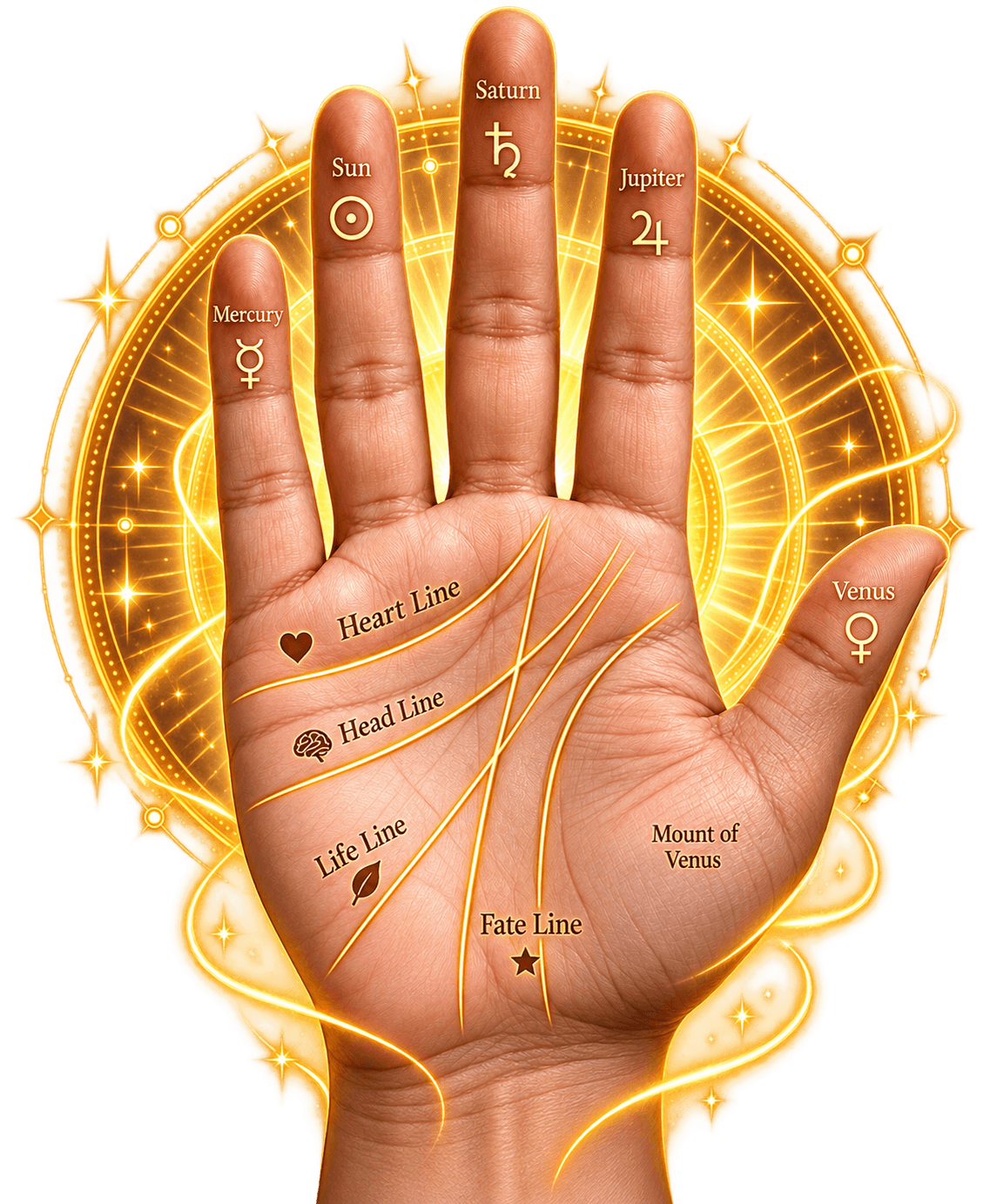
हम खगोलीय सूत्रों से वास्तविक ग्रह स्थितियाँ गणित करते हैं, शास्त्रीय लाहिड़ी अयनांश लागू करते हैं, और परिणाम को आपकी हथेली की रेखाओं, पर्वतों व चिह्नों की नियम-आधारित रीडिंग से जोड़ते हैं — पूर्ण द्विभाषी रिपोर्ट बनती है: राशि, नक्षत्र, लग्न, पंचांग, जीवन-क्षेत्र भविष्यवाणियाँ और पाँच-वर्षीय प्रीमियम रोडमैप।
3हमारे सिद्धांत
पारदर्शिता: हर रिपोर्ट अपने पीछे के सटीक अंश व अयनांश दिखाती है, और हम खुलकर बताते हैं कि इस वेबसाइट को बनाने में AI की मदद ली गई है। गोपनीयता: आपका डेटा आपके पास रहता है। द्विभाषी सर्वप्रथम: हिंदी व अंग्रेज़ी, मनुष्यों द्वारा सावधानी से जाँची गई। भय न फैलाना: हर सावधानी के साथ उपाय। किफ़ायत: संपूर्ण निःशुल्क रिपोर्ट का कोई शुल्क नहीं; प्रीमियम 5-वर्षीय रोडमैप एक बार का ₹51।
4जिस परंपरा का हम सम्मान करते हैं
समुद्रिक शास्त्र, भृगु संहिता, फलदीपिका और भारत के शास्त्रीय हस्तरेखा ग्रंथों ने सिखाया कि शरीर कर्म की पांडुलिपि है। हम उस परंपरा के विद्यार्थी हैं, जिसे आधुनिक खगोल विज्ञान व आधुनिक, मोबाइल-प्रथम इंटरफ़ेस के साथ प्रस्तुत करते हैं।
5संपर्क
प्रश्न, सुधार या सामग्री सुझाव हेतु abhijain.technical@gmail.com पर लिखें या +91 9522333669 पर कॉल/व्हाट्सऐप करें। हम हर संदेश पढ़ते हैं।